Sexism is So Last Century
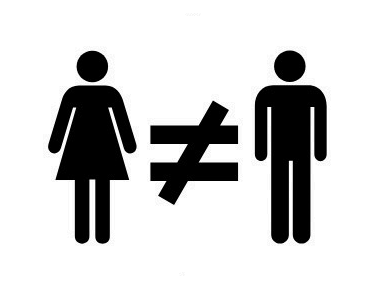
Ever since Adam thrust a finger at Eve and babbled "It's her fault!", much of the world has been in thrall to sexism: namely the idea that women are somehow inferior to men and only capable of domestic duties. While women have effectively challenged this assumption for thousands of years, it was in the early 20th century that history bore witness to women making the greatest inroads. While men were away fighting in the Great War, women had taken over every male occupation, from factory work to publishing. And in 1920, white women were given the right to vote. (Black women wouldn't fully appreciate the privilege until 1965.) But progress always has its price.
Backlash and Ballads
Since all the musical producers were male last century, and female consumers didn't have the same financial power that they do today, it makes sense that feminist-leaning lyrics wouldn't leave (or even enter) the recording booth until women gained more power in the music industry and beyond. In the 1930s, over 800 women were members of the New York Musicians Union, yet virtually none of them made an impact on music at that time because the music industry barred female jazz musicians that played wind instruments.
Therefore, popular songs of the early 20th century were often a product of the stanky patriarchy. Whether it was the Appalachian Murder Ballads glorifying violence against women or tunes like "He Hit Me (And it Felt Like a Kiss)" (produced by Phil Spector, who was later convicted of murdering Lana Clarkson), songs putting women in their place through shame or outright brutality thrived.
The words were often put directly in the mouths of female singers. Marilyn Monroe croons "Men grow cold/As girls grow old" in "Diamonds Are a Girl's Best Friend," perpetuating the fear of aging that to this day terrorizes women with endless industries developed purely to stem the effects of growing old.
Yet Musicals Might Be the Worst
Sexist claptrap filled the radio waves, dug into vinyl grooves, and even hoofed it across the Broadway stage. One modern commentator stated that, "If a reverse Bechdel test existed, Oklahoma! would tank it." The musical that took the world by storm featured two men fighting over a virtually voiceless woman. Other problematic Broadway musicals include:
- "How to Succeed in Business Without Really Trying" (one eye-rolling, retrograde number after another)
- "Carousel" (aka the "wife beater musical"), and
- "My Fair Lady" (a sexist remake of Shaw's decidedly feminist play)
You've Come a Long Way Baby Got Back
Music continues to perpetuate sexism and outright misogyny in its lyrics, particularly in modern rap music. The Beastie Boys may have apologized, but hip hop, rap, and some other genres have a long way to go. Compare the older songs on the Poop-out Player with the newer and decide for yourself if we've actually made progress.
Some Other Songs from the 20th Century
Benny Bell - The Alimony Blues
Debbie Reynolds and Boys - Join the Navy and Loo-Loo